
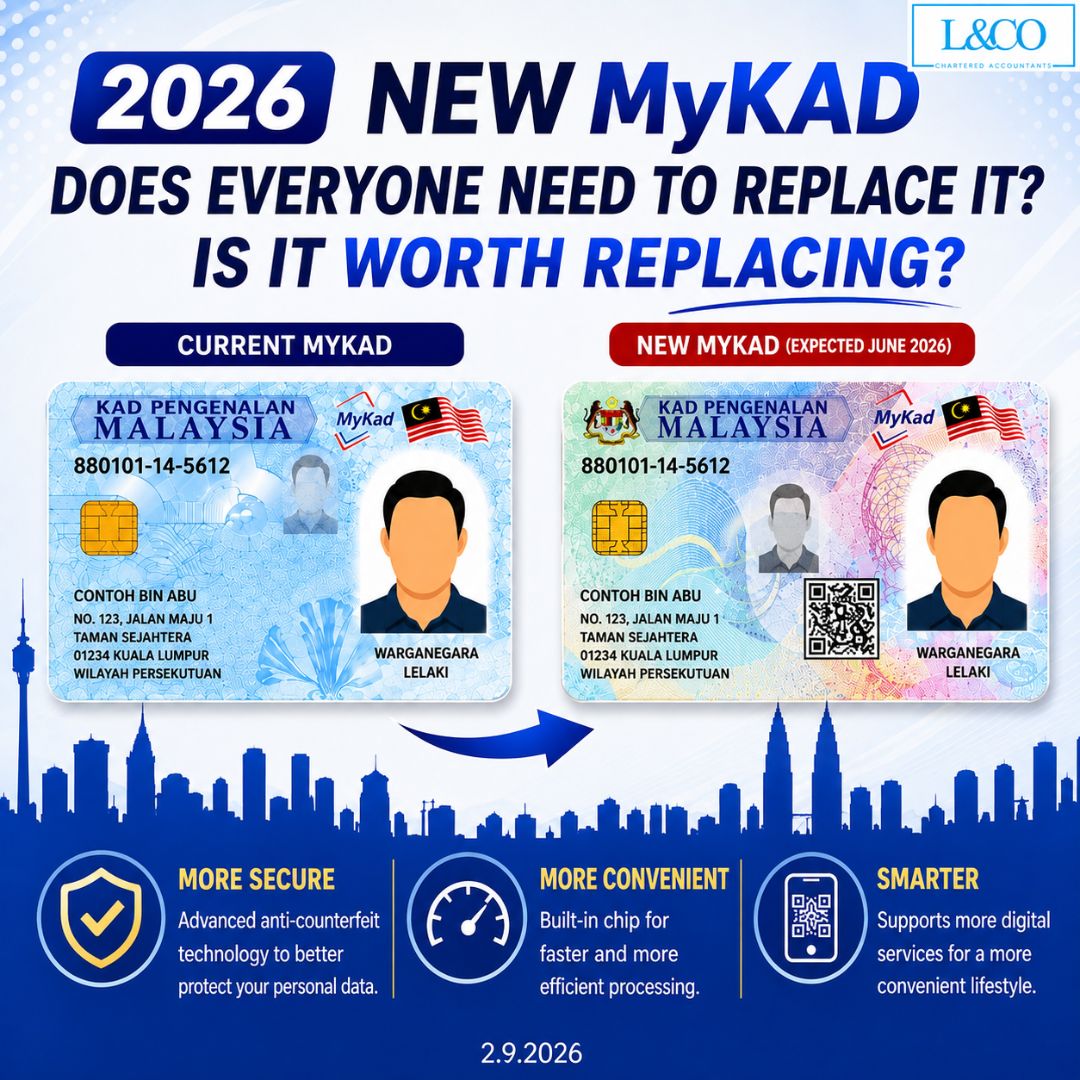
The new MyKad features not only an updated appearance, but also enhanced security elements, anti-counterfeit technology, chip encryption and digital capabilities. As the replacement programme is being introduced progressively, many Malaysians are asking the same questions: Can the existing MyKad still be used? Does everyone need to replace it? And what are the key differences between the old and new versions?
What are the differences between the old and new MyKad?
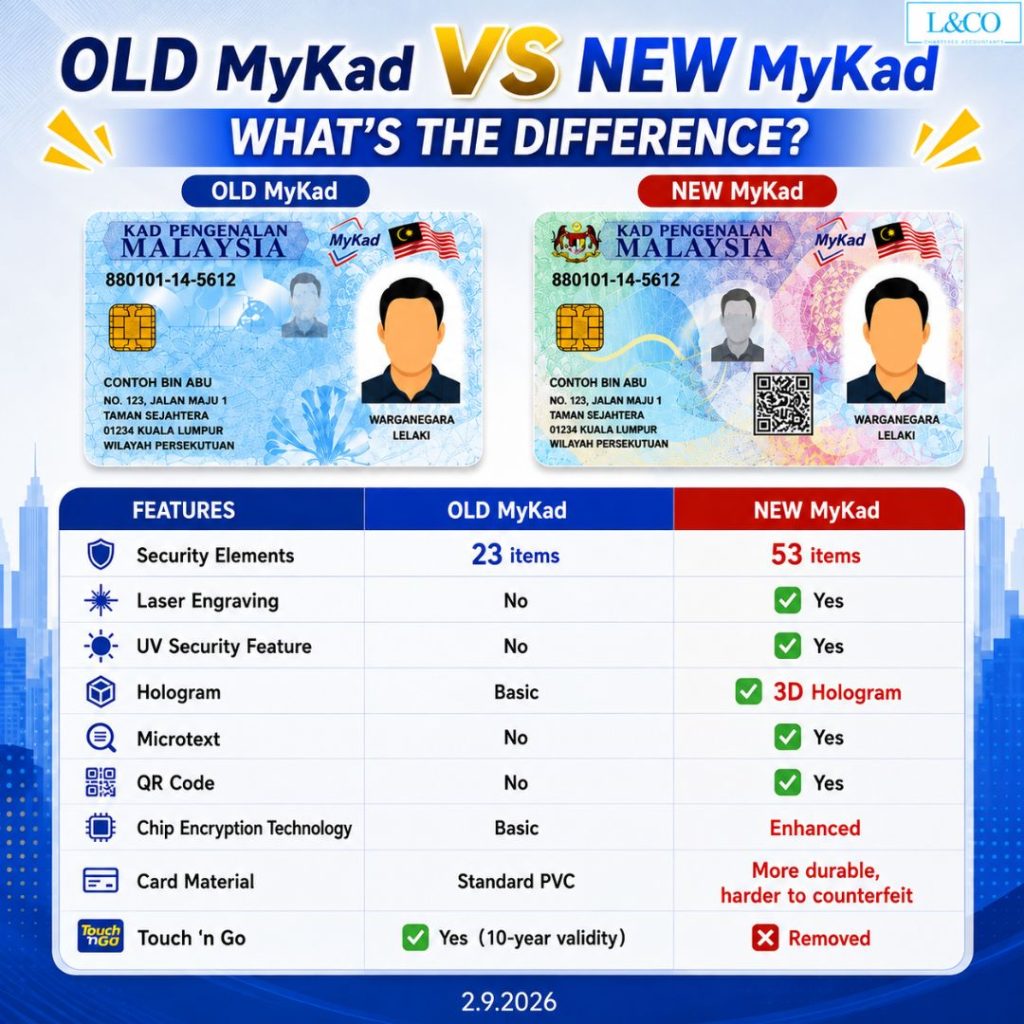
The new MyKad comes with significant improvements in security and anti-counterfeit technology. The number of security elements has increased from 23 to 53, with additional features such as laser engraving, UV security elements, 3D holograms, microtext and QR Code.
Its chip encryption technology has also been strengthened, while the card material has been upgraded to be more durable and more difficult to counterfeit.
Another notable change is that the new MyKad will no longer retain the Touch ‘n Go functionality.
These enhancements are intended to strengthen identity verification and reduce the risk of identity card forgery or misuse.
MyKad replacement will be implemented in phases
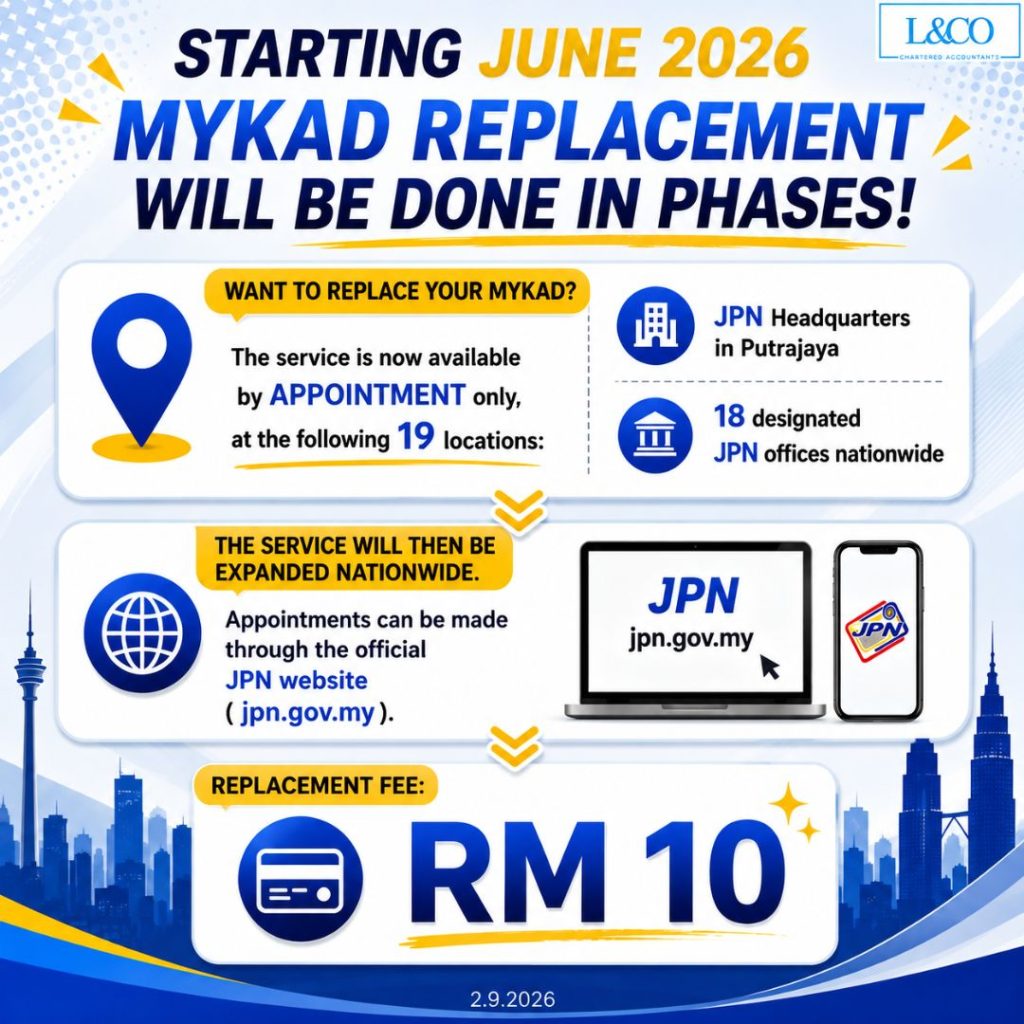
The replacement of the new MyKad will not be rolled out nationwide all at once. Instead, it will be implemented in phases.
At the current stage, replacement services are mainly appointment-based and are initially available at the JPN Headquarters in Putrajaya and 18 selected JPN offices nationwide, covering a total of 19 locations.
The service will subsequently be expanded gradually to more JPN offices across Malaysia.
Members of the public may visit the official Jabatan Pendaftaran Negara (JPN) website at jpn.gov.my to check appointment procedures, designated locations and the latest replacement arrangements.
Based on the information shown, the current MyKad replacement fee is RM10.
Not all MyKad holders are required to replace their cards immediately
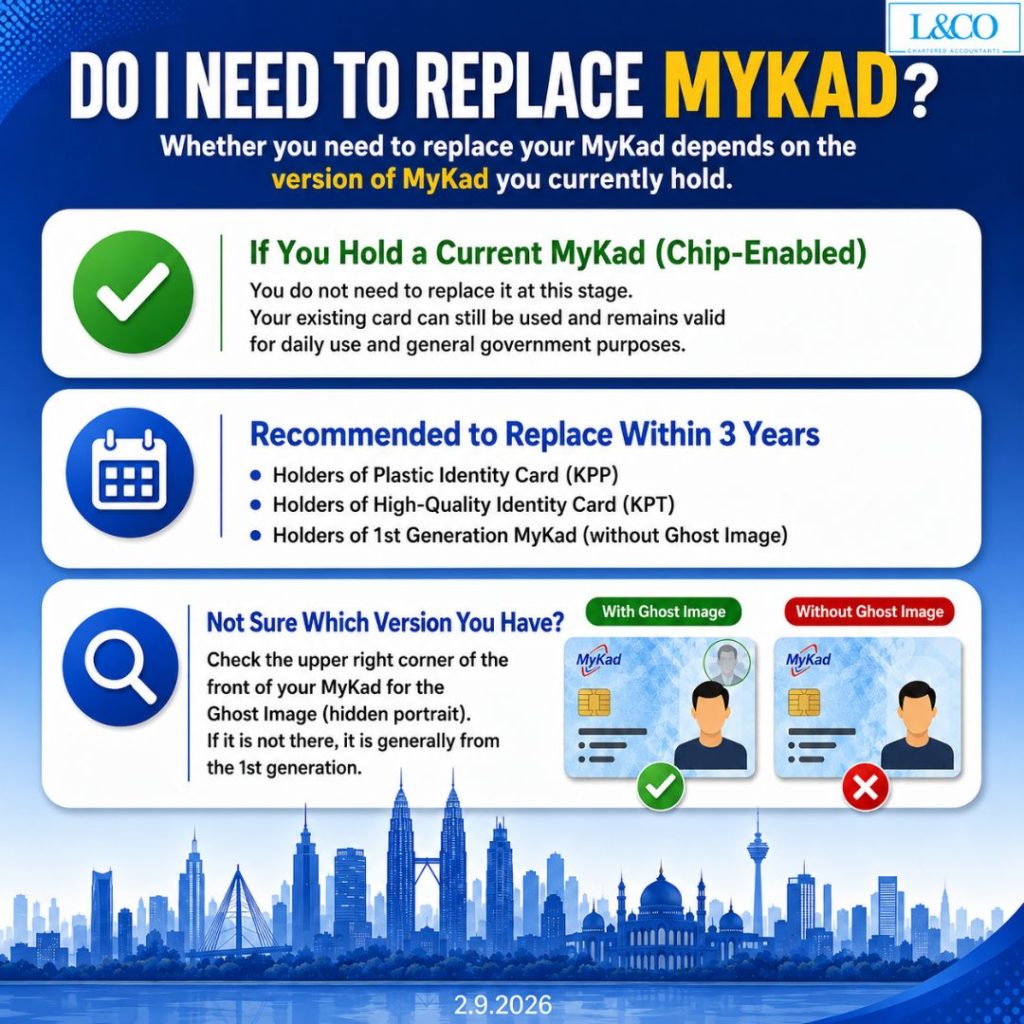
If you are currently holding a valid chip-enabled MyKad, there is generally no immediate need to replace it, and the existing card can continue to be used.
However, holders of certain older versions of identification cards are encouraged to gradually replace them, including:
- Plastic Identity Card (KPP) holders
- High-Quality Identity Card (KPT) holders
- Holders of earlier-generation MyKad
If you are unsure which version you are currently using, you may check whether there is a Ghost Image on the upper-right section of the front of your MyKad. Cards without a Ghost Image are generally older versions, and holders may further check with JPN to determine whether replacement is recommended.
Therefore, the introduction of the new MyKad does not mean that everyone must replace their card immediately. MyKad holders are advised to check the version of their existing identification card and refer to the latest official replacement arrangements announced by JPN before proceeding.
 (201706002678 & AF 002133)